Discovering the Art of Flavor Pairing: My Journey into Identifying, Balancing, and Experimenting with Different Tastes and Flavors

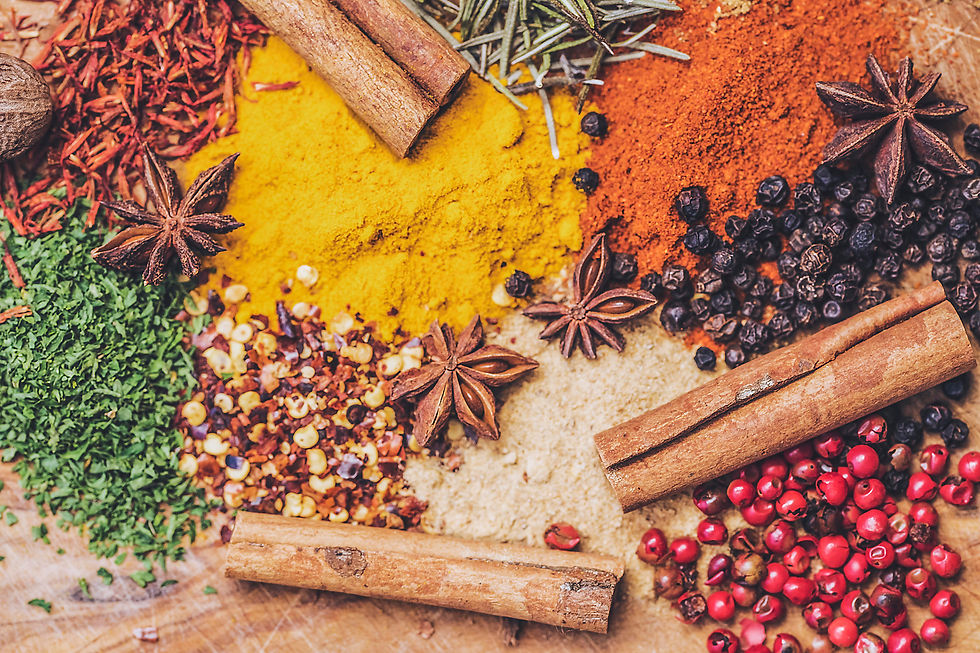
When I first started on my culinary journey, I was captivated by how certain flavors could transform an ordinary dish into something extraordinary. The essence of cooking goes beyond ingredients; it lies in the artistry of flavor pairing. There’s a magical experience that unfolds in the kitchen when you learn to balance flavors. Join me as I share insights into the fascinating world of flavor pairing, exploring tastes, balancing contrasts, and embracing the joy of experimentation.
Understanding the Dominant Flavors
To begin with, it's essential to understand the dominant flavors that form the foundation of our culinary experiences: sweet, salty, bitter, spicy, sour, and umami. Each flavor contributes uniquely, weaving a rich tapestry from which we can create delightful dishes.
Sweetness, commonly loved, comes from ingredients like fruits, honey, and sugar. A classic apple tart, for example, made with crisp, sweet apples and a sprinkle of sugar, offers a beautifully layered flavor.
Saltiness enriches and enhances other flavors, especially when paired with sweetness. A pinch of sea salt on freshly sliced watermelon can elevate its natural sweetness, turning a good snack into a delicious treat.
Bitterness adds crucial contrast to flavor profiles. Ingredients like dark chocolate, coffee, and kale introduce complexity, appealing to those adventurous enough to embrace it. A dark chocolate chili cake is a perfect example, where the bittersweet chocolate balances the chili’s heat, creating deep layers of flavor.
Spiciness infuses heat, invigorating the senses. The robust heat of chili can uplift a dish like chicken stir-fry, adding a spark to its flavors. Similarly, a dash of black pepper can subtly enhance mashed potatoes without overpowering them.
Sourness brings in acidity through ingredients like vinegar, lemon, and lime. A squeeze of lemon juice over grilled fish can cut through the richness, making the dish feel lighter and brighter.
Lastly, umami—the often-overlooked savory taste—comes from ingredients like mushrooms, tomatoes, fermented foods, and aged cheeses. A bit of parmesan on pasta adds a robust umami flavor, rounding out the dish’s taste.
By recognizing these dominant flavors, we start crafting dishes that tell a story and evoke emotions.
The Difference Between Seasoning and Flavoring
Understanding the difference between seasoning and flavoring is key to refining your culinary skills. Seasoning enhances the natural flavors of ingredients, while flavoring introduces new tastes.
When seasoning, I focus on the natural profiles of the ingredients, adjusting them gently with salt, herbs, or simple spices. For example, adding a sprinkle of kosher salt to fresh tomatoes can amplify their sweetness and bring out their best flavors.
On the other hand, flavoring allows for creativity. Adding balsamic vinegar to strawberries introduces a new layer of taste, while fresh herbs like basil or coriander can create exciting experiences. Mixing basil into a tomato sauce, for instance, not only adds dimension but also a burst of freshness. Both techniques are essential for successful cooking, and mastering their differences can elevate your culinary skills significantly.
Balancing Contrasting Flavors
One of the most exciting aspects of flavor pairing is the art of balancing contrasting flavors. This practice requires close attention and a willingness to experiment, as opposites often blend beautifully. Sweet and savory, spicy and mild, or bitter and sweet can harmonize in delightful ways.
Imagine roasted sweet potatoes drizzled with a balsamic reduction. The caramelized sweetness of the potatoes combines beautifully with the tangy, rich balsamic glaze, creating a taste that’s simply irresistible.
I particularly enjoy pairing sweet and savory flavors. Sweet and smoky bacon wrapped around dates makes a wonderful appetizer—the sweetness of the dates and the savory, crispy bacon create a delightful surprise for the palate.
Considering Texture
Flavor is only one part of the equation; texture is equally important in creating a memorable dining experience. Combining crunchy, creamy, crispy, chewy, and soft textures results in a more engaging plate.
When making salads, for example, I carefully select ingredients with varied textures: crisp lettuce, crunchy almonds or croutons, creamy avocado, and tangy feta. Each bite with its diverse textures adds to the adventure of the dish, complementing the flavors perfectly.
As you create dishes, think about how adding texture can elevate flavor. A sprinkle of crispy onions on smooth mashed potatoes adds crunch and flavor, transforming the experience. Similarly, pairing spicy salsa with creamy guacamole layers flavor and texture, awakening the taste buds.
Experimenting with Taste
One of my favorite practices is to experiment with taste. Whether feeling adventurous or inspired by seasonal ingredients, I always dive into the kitchen, ready to explore.
Combining unexpected flavors can lead to delightful surprises. For instance, pairing citrus with herbs creates a refreshing burst that enhances lighter dishes. A squeeze of fresh lime over grilled shrimp complements the natural sweetness of the meat beautifully.
I also suggest exploring different cuisines and regional ingredients. For example, consider adding a drizzle of tahini to roasted veggies for a nutty brightness. Playing with flavors from other cultures, like infusing classic Italian dishes with Asian ingredients, can spark innovative ideas. A simple garlic and rosemary chicken can transform into an Asian influence with soy sauce and ginger.
Create a Flavorsome Story
As I continue on my culinary journey, I find that each dish I create tells a unique story. On chilly evenings, nothing warms my spirits quite like a comforting cinnamon apple pie with homemade custard. The aroma of cinnamon and apples evokes comfort and contentment.
Food connects us to memories, making each ingredient part of our shared experiences. A simple dish can remind you of places you've been and people you've met, while a bite of ginger cookies can transport you to cozy holiday gatherings.
Temperature Matters
Temperature significantly influences the flavor experience. Warm meals tend to be more aromatic, while cold dishes are refreshing. A bowl of warm butternut soup, for instance, brings out creamy sweetness that pairs beautifully with spices like cinnamon and ginger.
Combining different temperatures can add dimension. Pairing warm roasted root vegetables with a chilled yogurt sauce offers a delightful contrast, reminding us that temperature is an essential part of the dining experience.
The Art of Pairing Wine with Food
One of the first lessons in my culinary journey was learning the art of wine pairing. Understanding how wine complements food can enhance your dining experience, bringing out the best in each dish.
Wine and spirits add depth to recipes, too. For lighter meals like grilled chicken breast, a sauce made with white wine can add subtlety. Red wine adds richness to hearty dishes, like braised meats. For instance, braising a steak in red wine can elevate its flavors, transforming it from simple to sophisticated. The general rule is that poultry and fish pair with white wines, while red meats go with reds. Of course, you can always play around with combinations, like salmon with a red wine balsamic glaze.
Beer and cider are also fun to incorporate. A beer-braised pork belly can surprise the palate, and cider adds a refined touch to apple cobbler. Spirits bring even more versatility—adding a spirit to flambé blueberries, for instance, introduces a tartness that adds flair to the dish.
When choosing a wine for serving, I look for ones that align with the dish’s flavors. An earthy Pinot Noir pairs well with mushroom risotto, while a Sauvignon Blanc complements lemon pasta. A quick search can suggest pairings if you’re unsure.
Beyond cooking, wine pairing elevates the meal experience. Hosting friends and choosing wines that match each course can create a delightful atmosphere, encouraging conversation and connection.
A Flavor Adventure Awaits
My journey into the art of flavor pairing has been fulfilling and eye-opening. Exploring tastes—sweet, salty, bitter, spicy, sour, and umami—along with balancing contrasting flavors and textures, has opened up countless possibilities.
As you follow my journey or start your own, embrace the thrill of experimenting. Challenge your palate with sweet and savory combinations, savor the warmth of spices, and play with temperature and texture. Each time you step into the kitchen, you have the chance to create something unique and personal.
Let’s celebrate the art of flavor pairing and bring more joy to our kitchens! Why not try a new ingredient or a surprising flavor combination today? Dive in and uncover the delicious possibilities waiting to be discovered. Happy cooking!


Comments